Tag: Portfolio
41 posts tagged with "Portfolio"
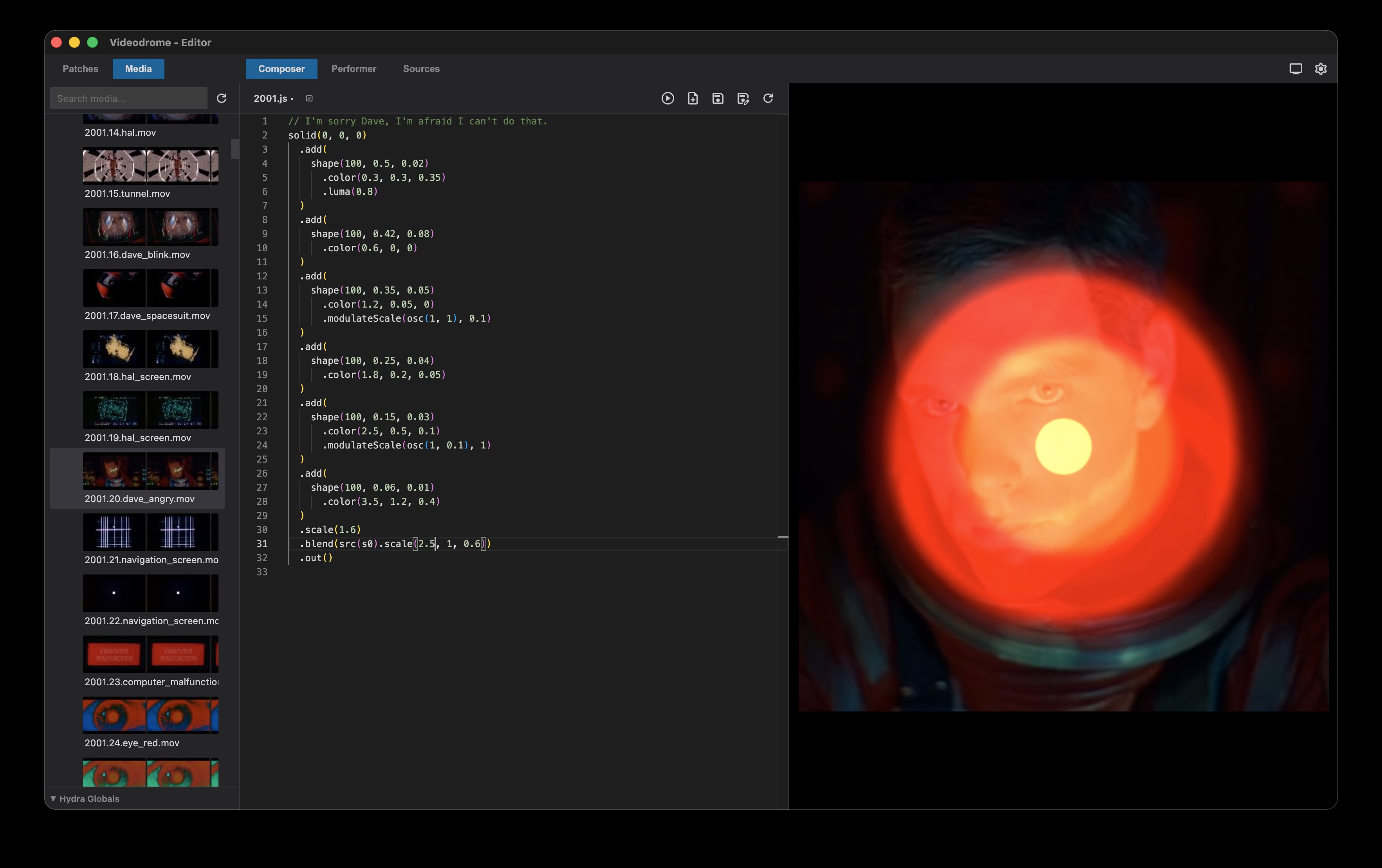
Videodrome
A live visuals environment for video synthesis using Hydra wrapped in Electron. Write and test Hydra patches in the composer and use them for live performance in the performer. Manage patches and media with two dedicated explorers and preview Hydra sources in a separate source tab.
Available on github here: https://github.com/arisona/videodrome
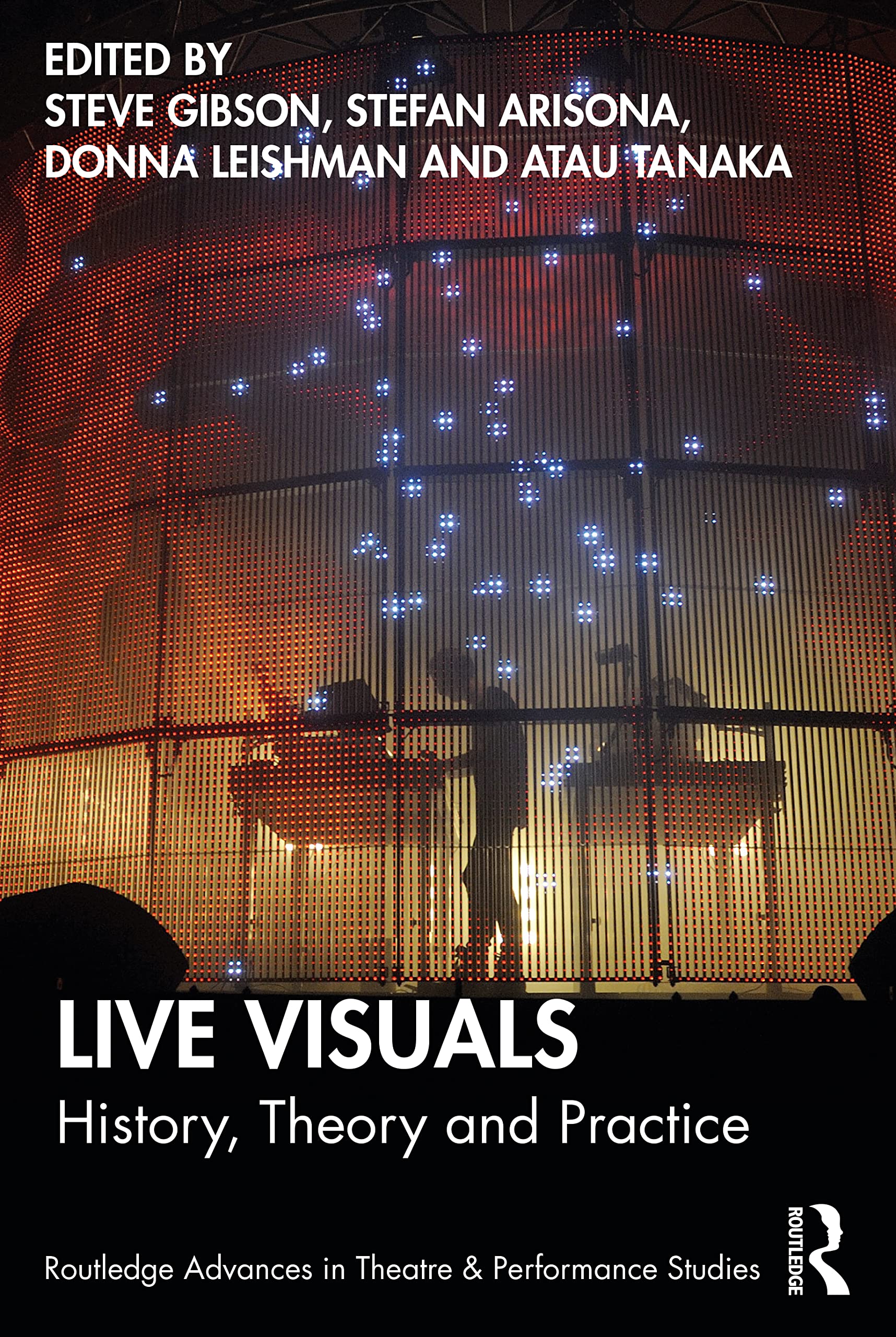
Book: Live Visuals - History, Theory, Practice
Edited by: Steve Gibson, Stefan Arisona, Donna Leishman and Atau Tanaka, 2022
From the publisher:
This volume surveys the key histories, theories and practice of artists, musicians, filmmakers, designers, architects and technologists that have worked and continue to work with visual material in real time.
Covering a wide historical period from Pythagoras’s mathematics of music and colour in ancient Greece, to Castel’s ocular harpsichord in the 18th century, to the visual music of the mid-20th century, to the liquid light shows of the 1960s and finally to the virtual reality and projection mapping of the present moment, Live Visuals is both an overarching history of real-time visuals and audio-visual art and a crucial source for understanding the various theories about audio-visual synchronization. With the inclusion of an overview of various forms of contemporary practice in Live Visuals culture – from VJing to immersive environments, architecture to design – Live Visuals also presents the key ideas of practitioners who work with the visual in a live context.
This book will appeal to a wide range of scholars, students, artists, designers and enthusiasts. It will particularly interest VJs, DJs, electronic musicians, filmmakers, interaction designers and technologists.
Read more on the publishers site: https://www.routledge.com/Live-Visuals-History-Theory-Practice/Gibson-Arisona-Leishman-Tanaka/p/book/9781032252681
Versus
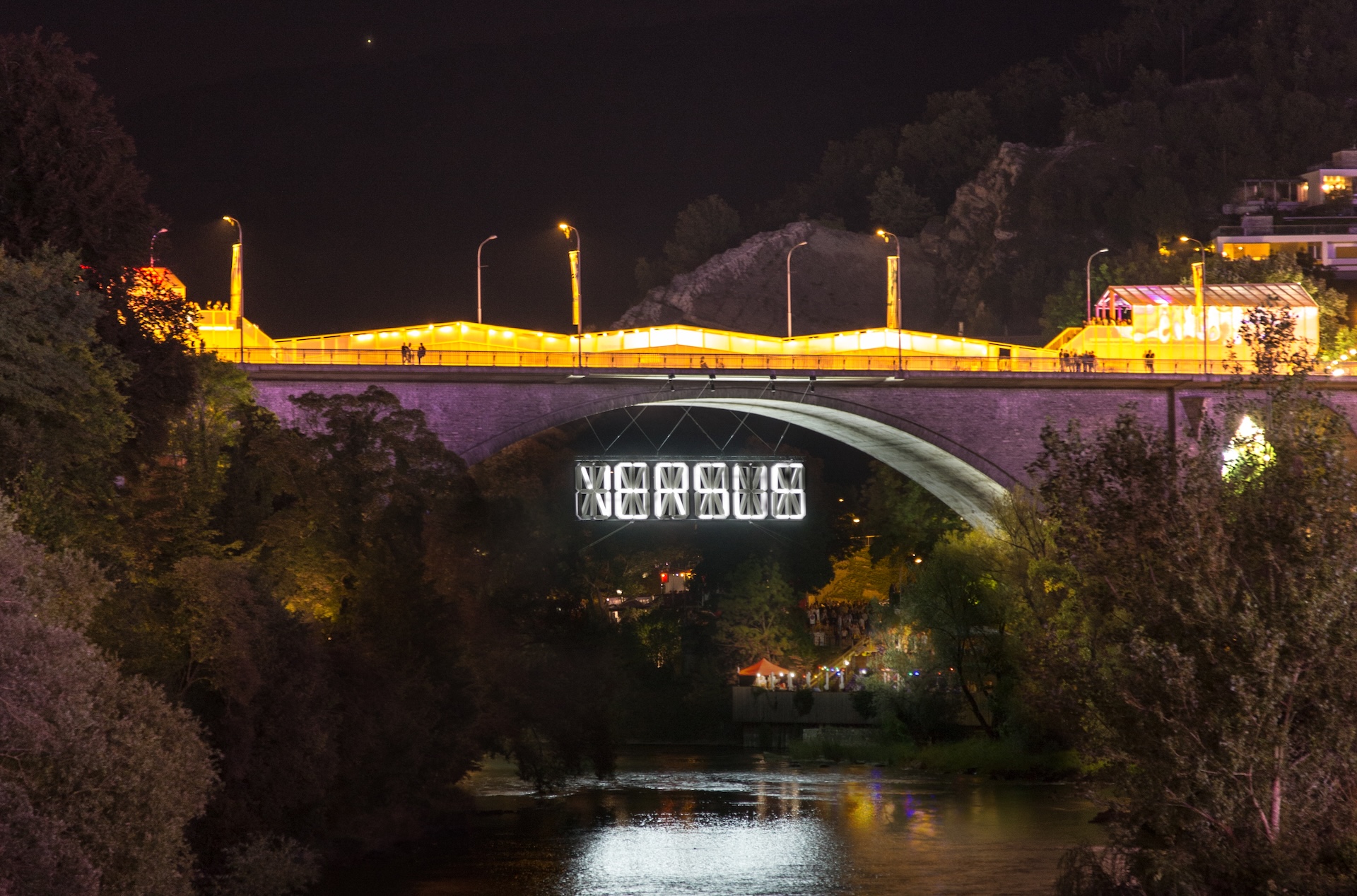
An 18m long and 4m high illuminated display hung in the middle of the bridge arch of the Hochbrücke Baden. It resembled an oversized LCD display, in six parts, like the word VERSUS, or a digital clock display: for hours, minutes, seconds. For 10 days it displayed words, so-called Versus pairs. These were pairs of words that shone in a regular cycle and synchronously above the Limmat in the directions north and south.
Only one word was readable at a time, or the opposing term shone in the opposite direction. The installation confronted the visitors with the festival theme of the Badenfahrt 2017 VERSUS and playfully challenged them to look for the contrast to the depicted word. The installation was loaded with a fund of over 100 pairs of opposites. Every visitor could play around these word pairs on the high bridge. Two games were specially developed for this purpose. Standing opposite each other, separated by the game console, they could compete against each other in the middle of a temporary permanent structure on the High Bridge.
The Versus pairs ranged from obvious opposites such as LOVE vs. HATE to „inseparable“ word pairs in which the opposites dissolved, e.g. PARKER vs. BARROW (surnames Bonnie & Clyde).
(by Matthias Gubler - thisisthis.ch/versus_installation)
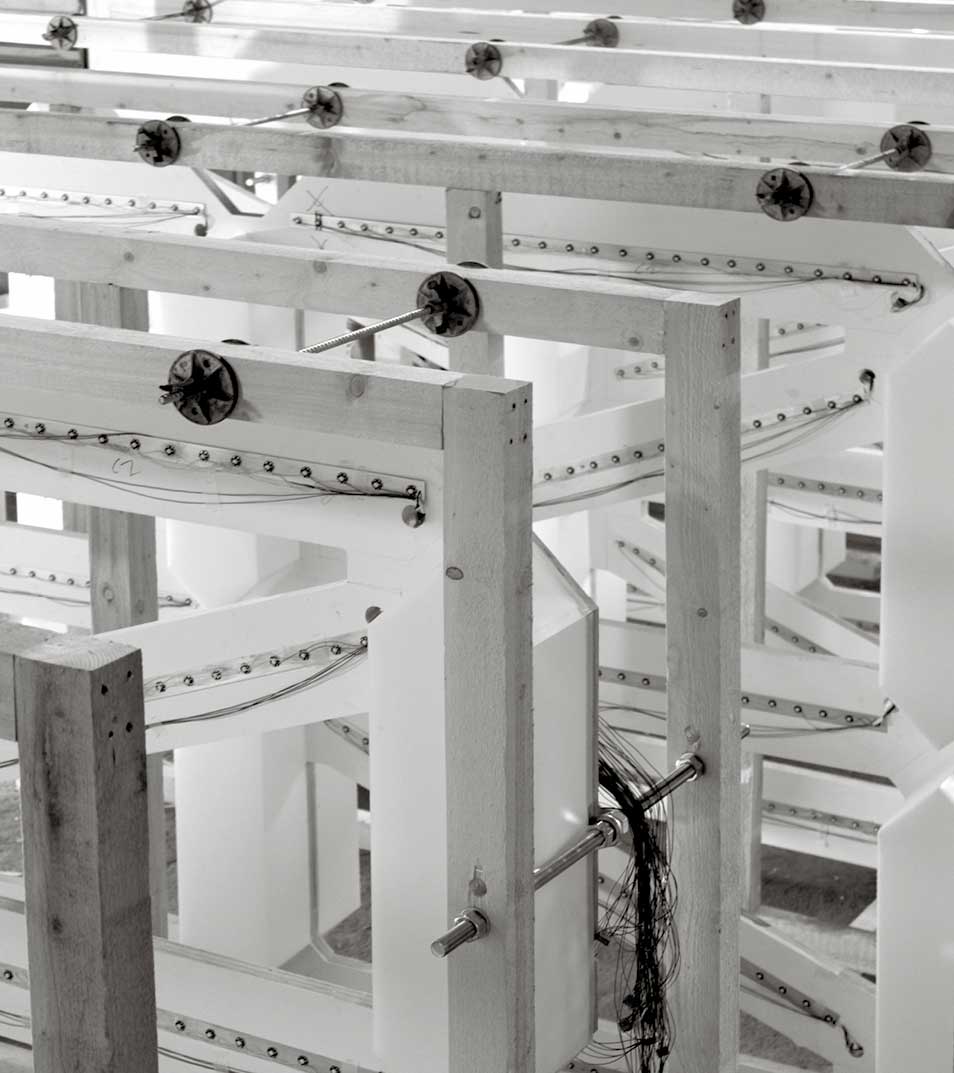
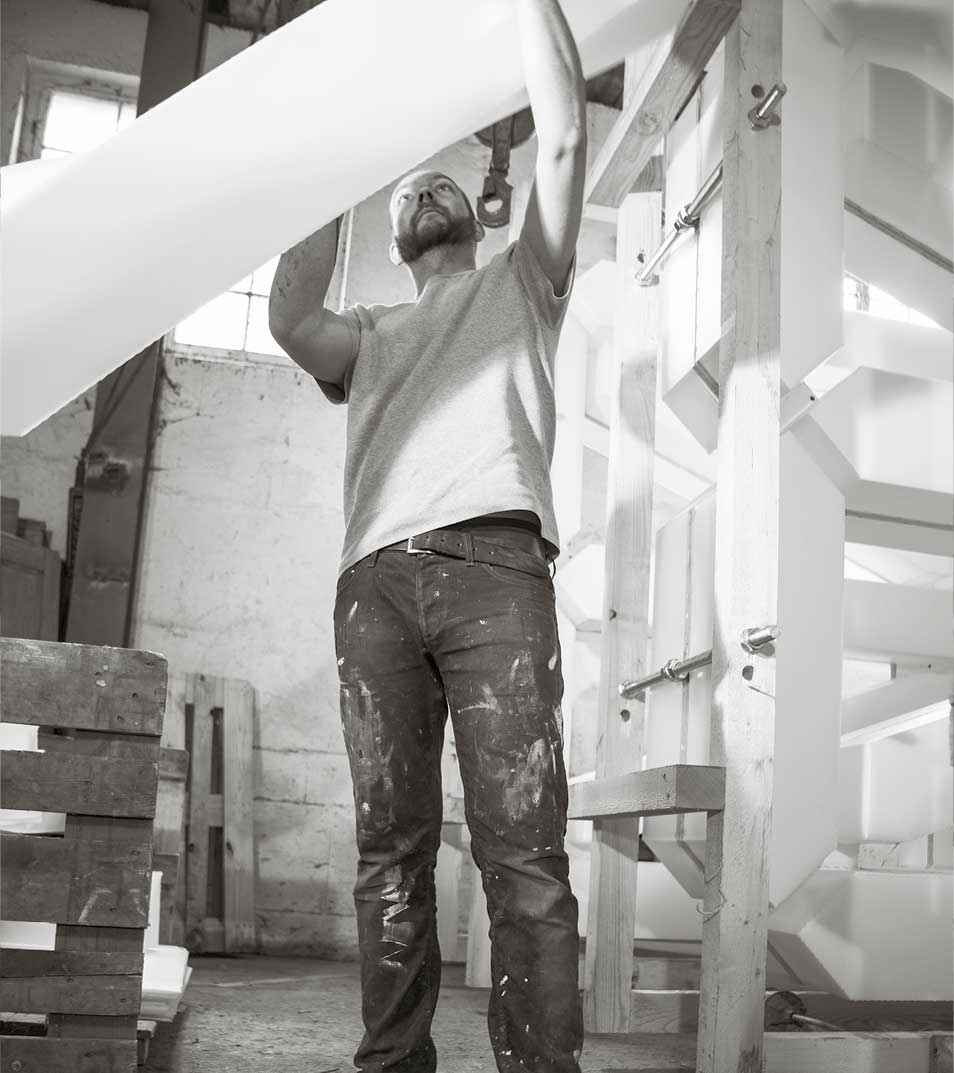
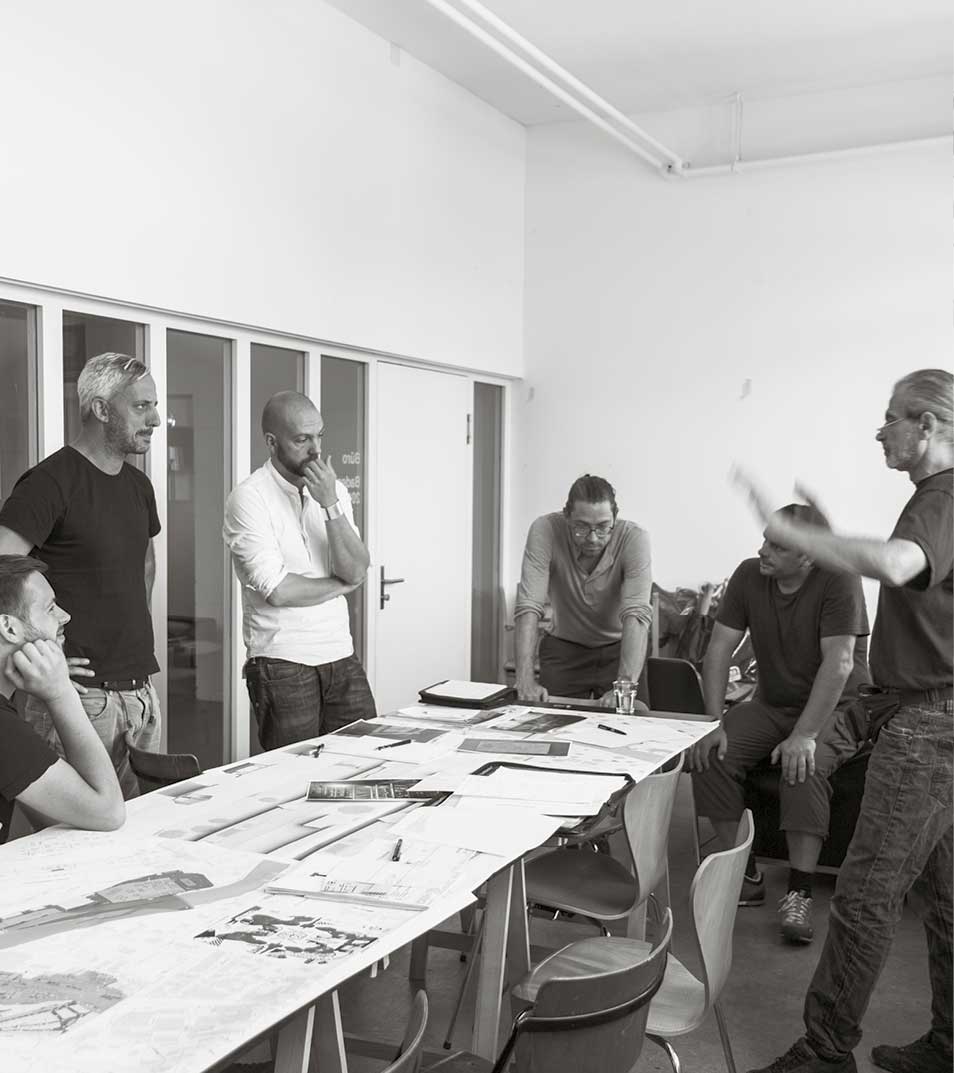
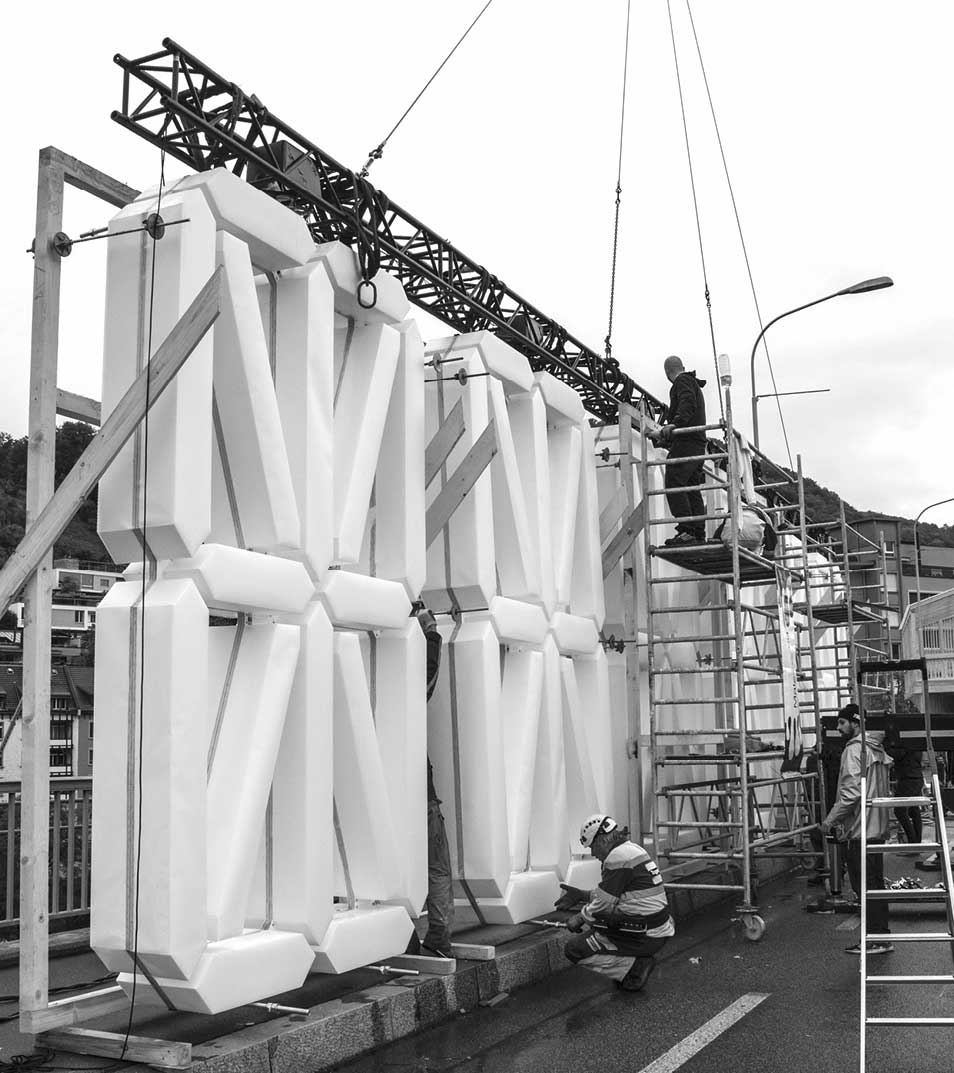
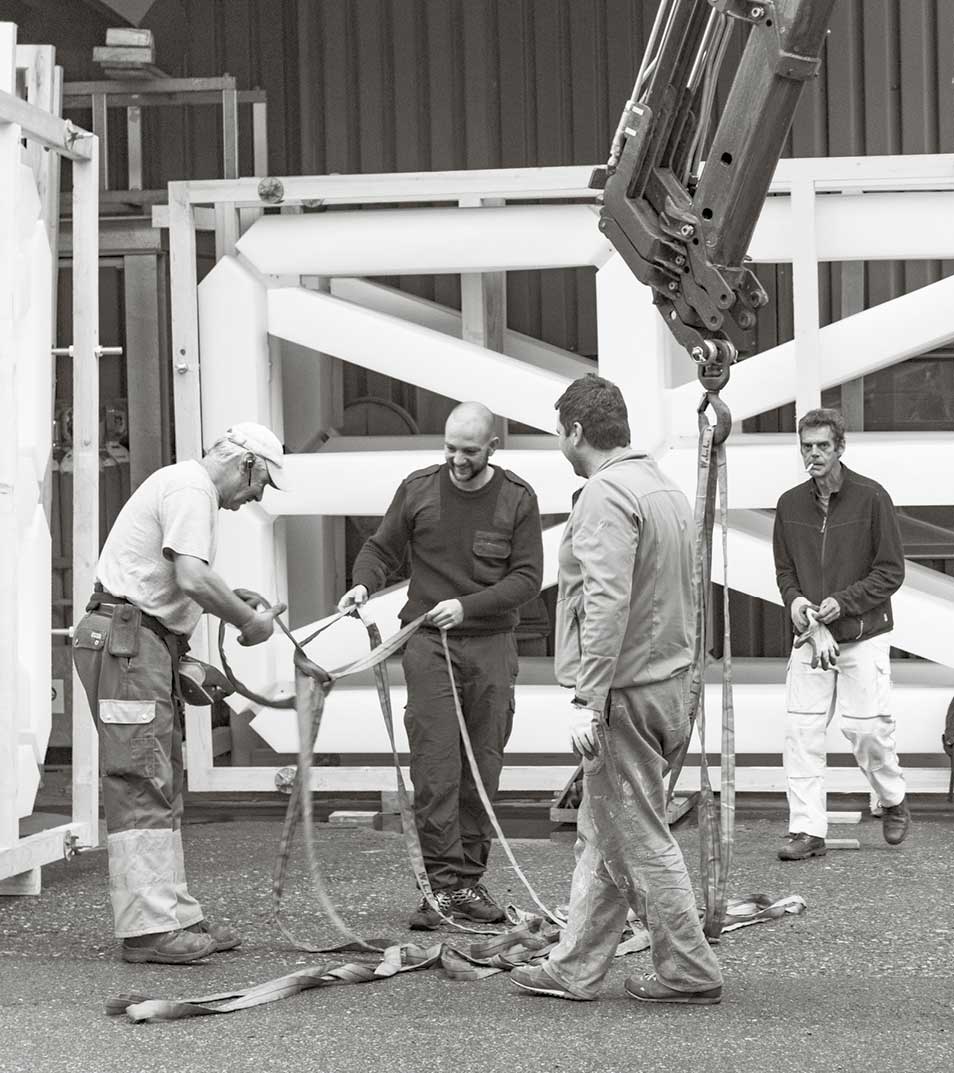
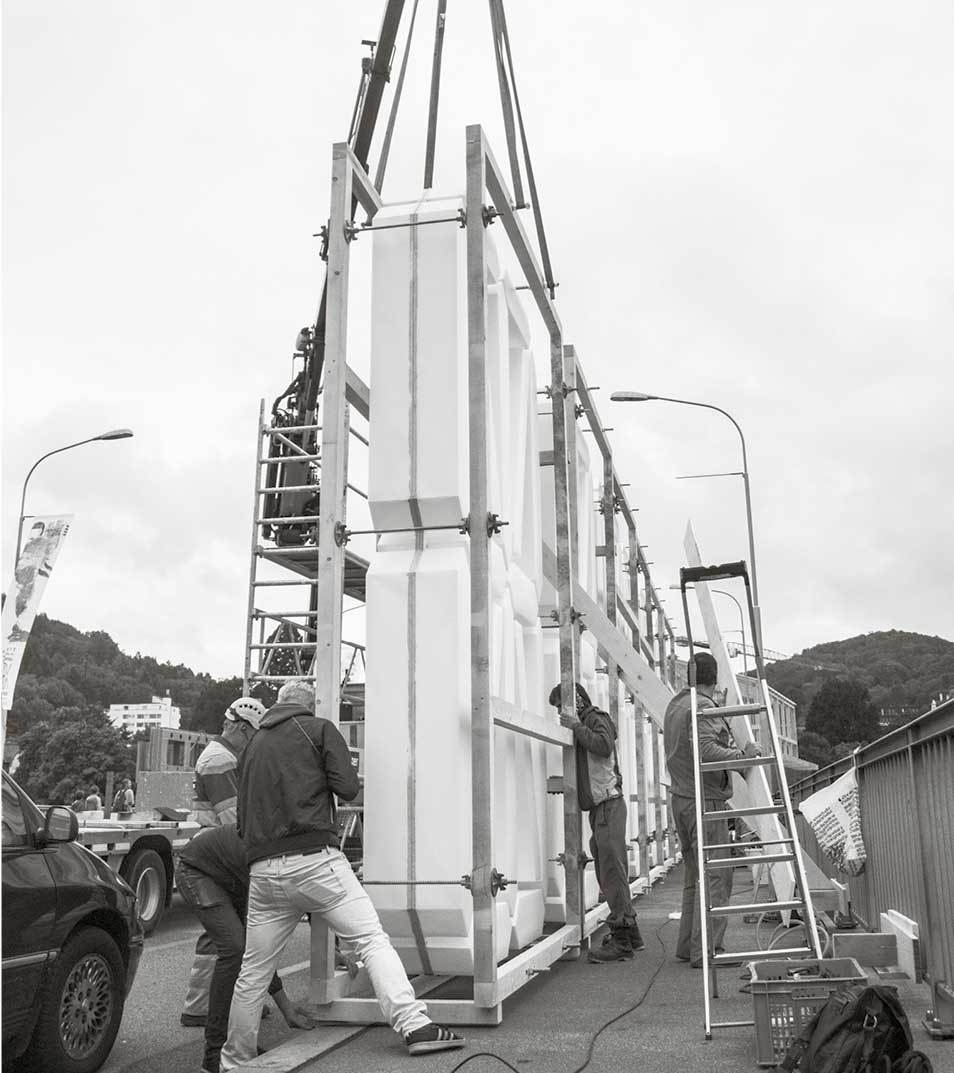
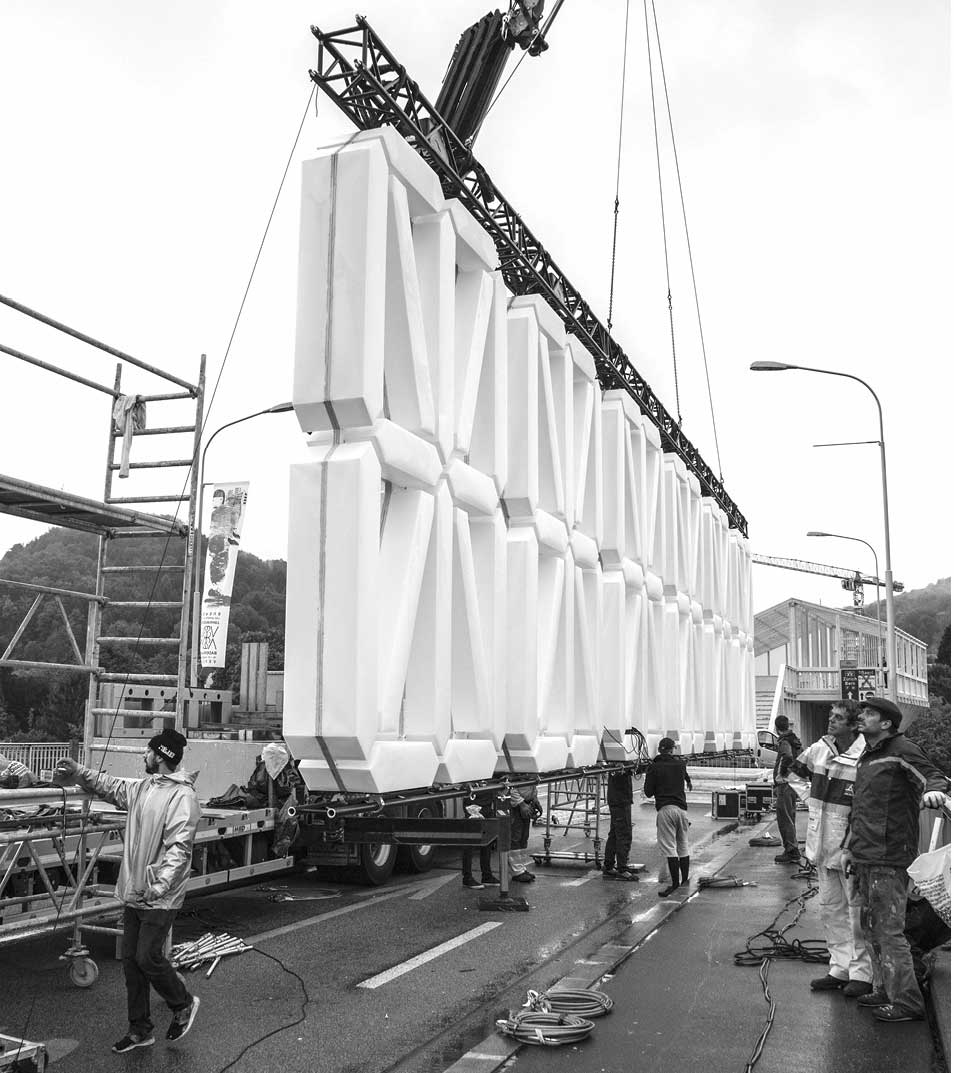
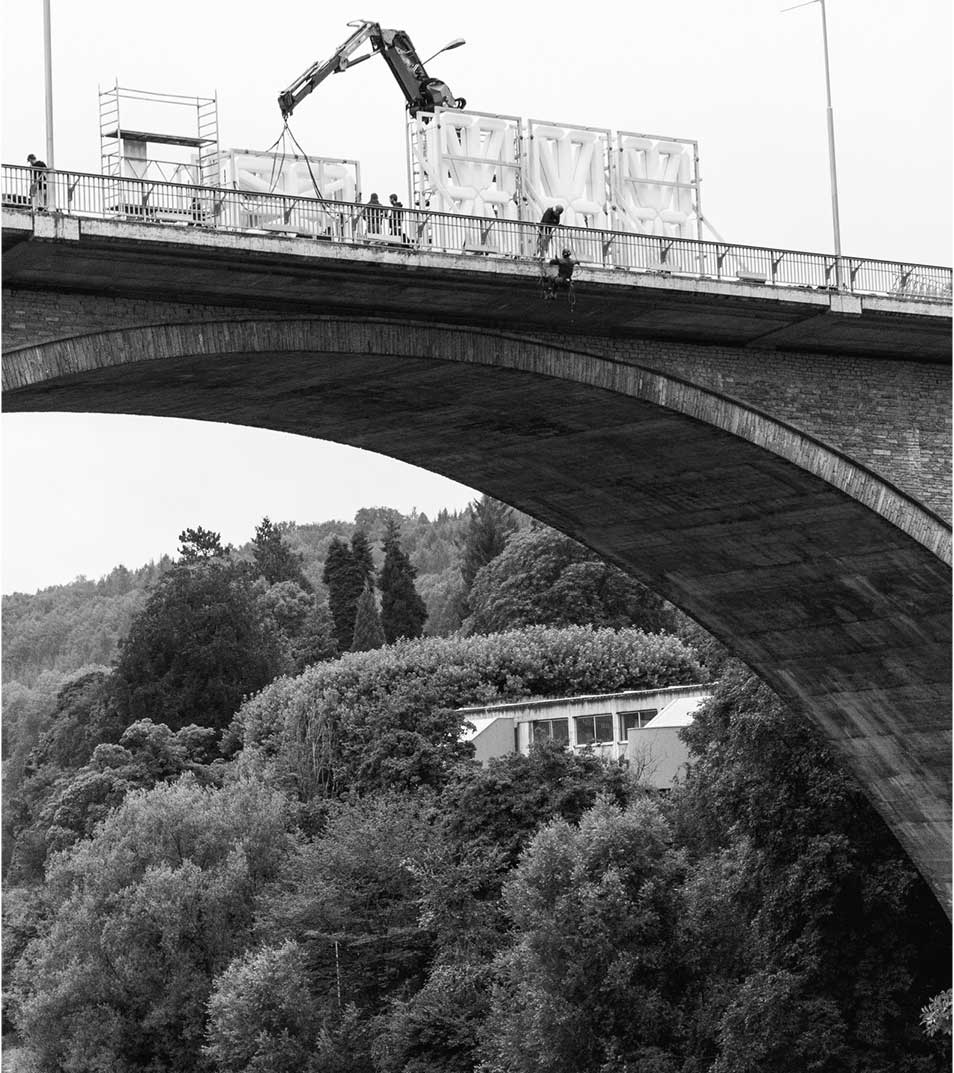
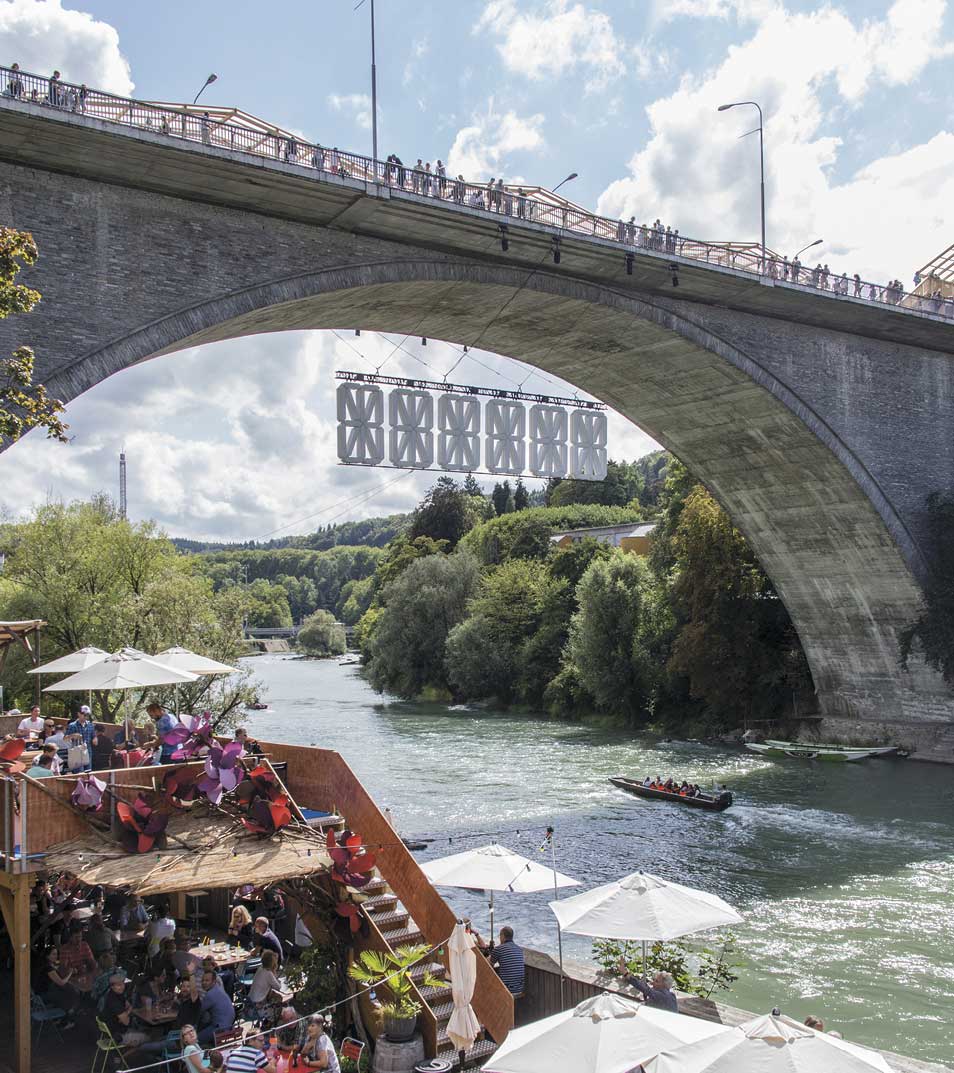
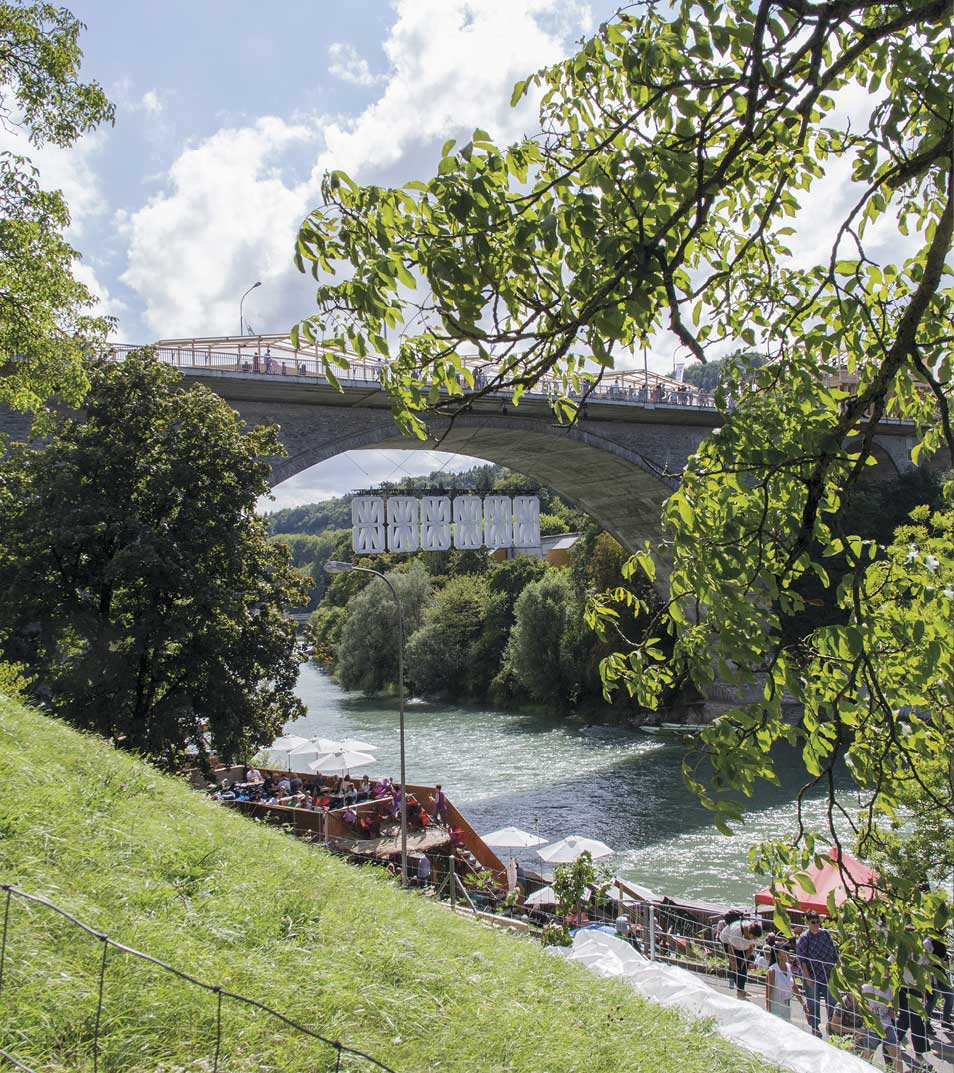
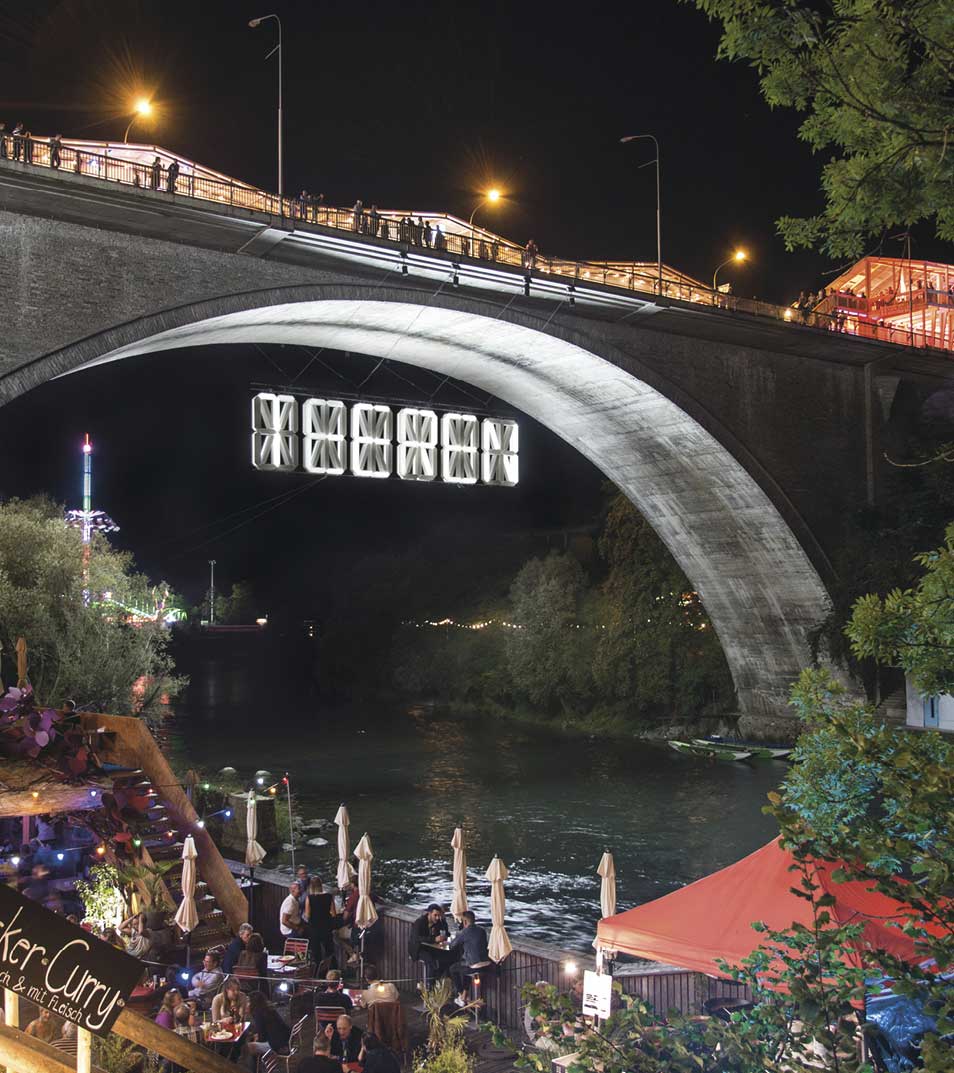
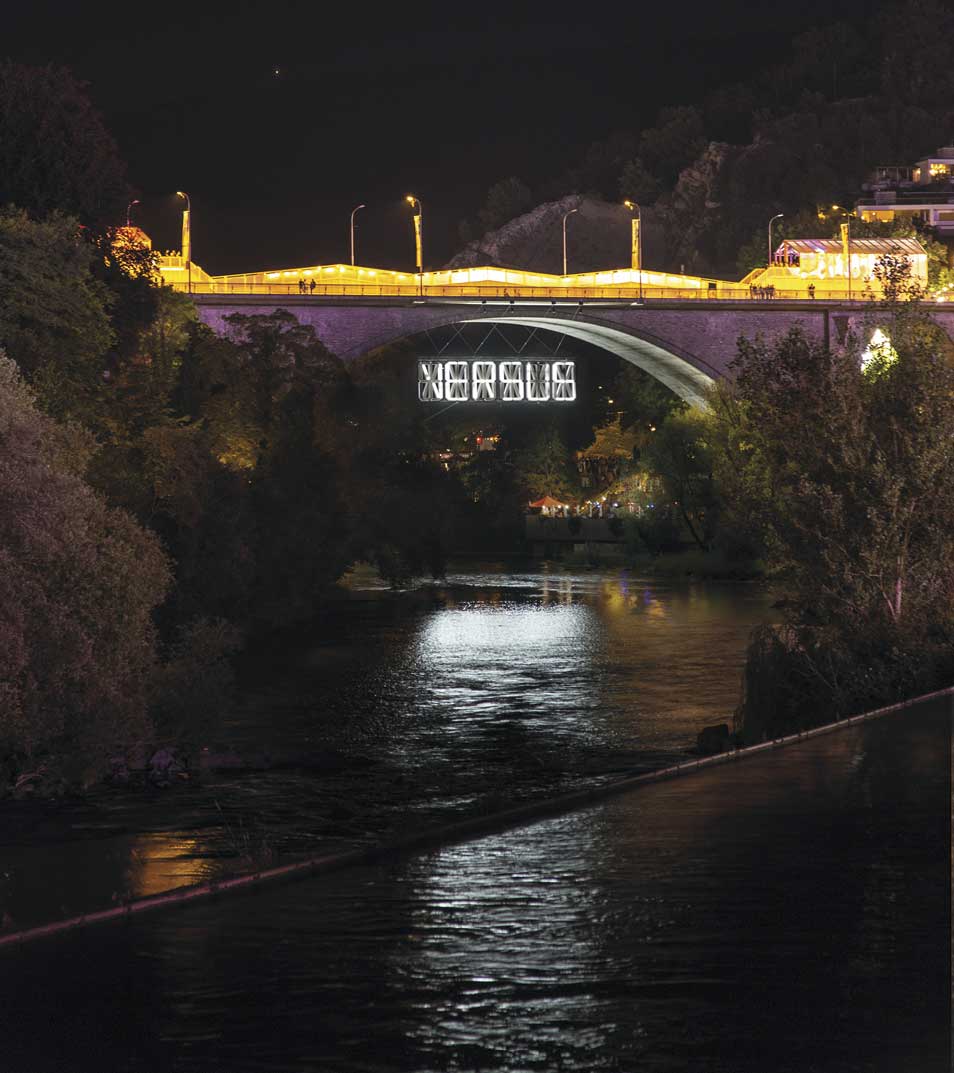
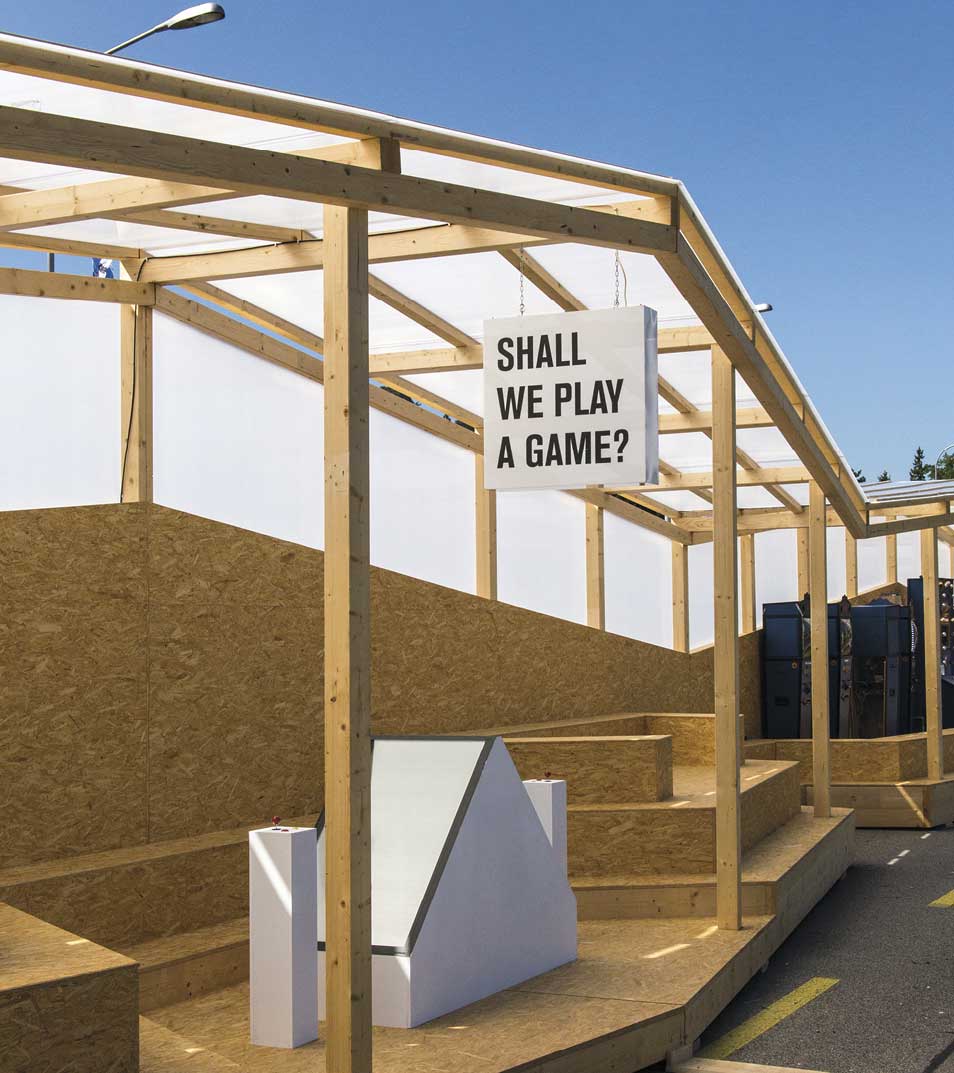
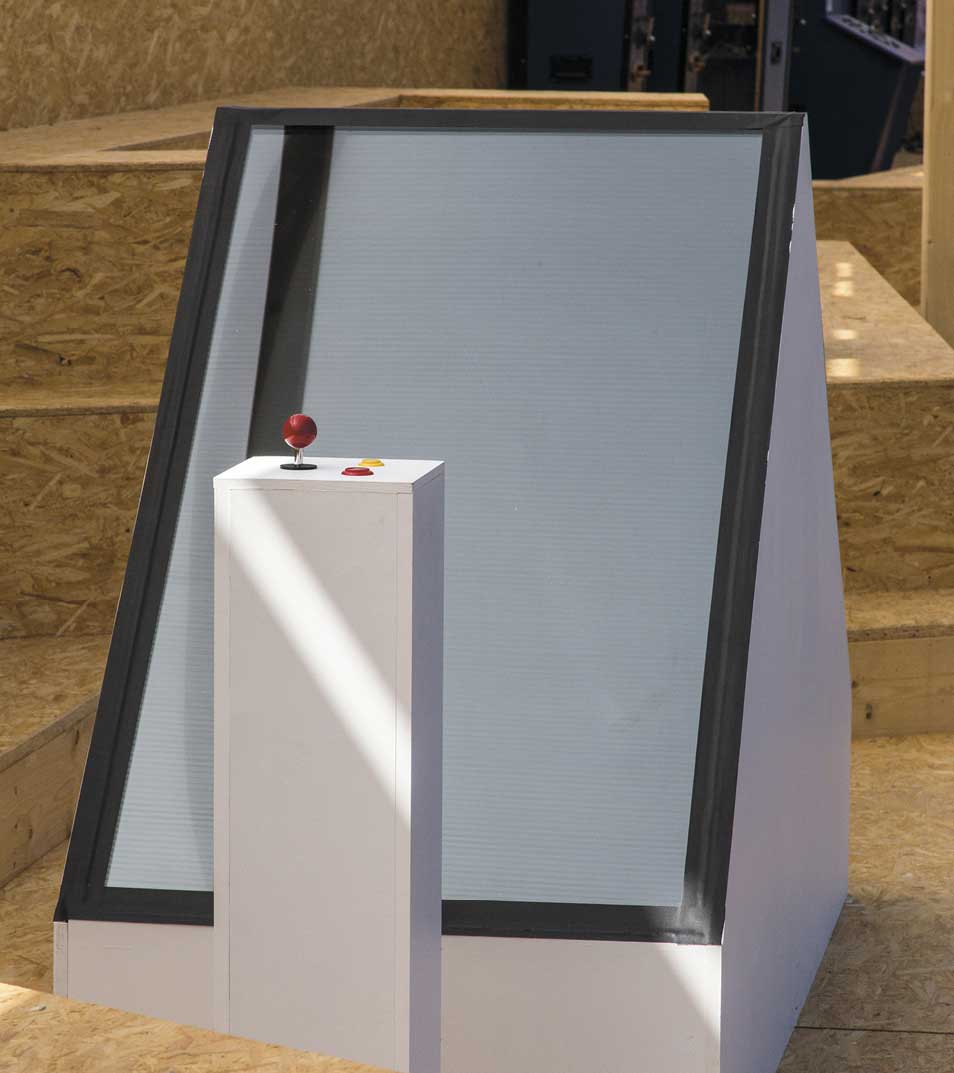
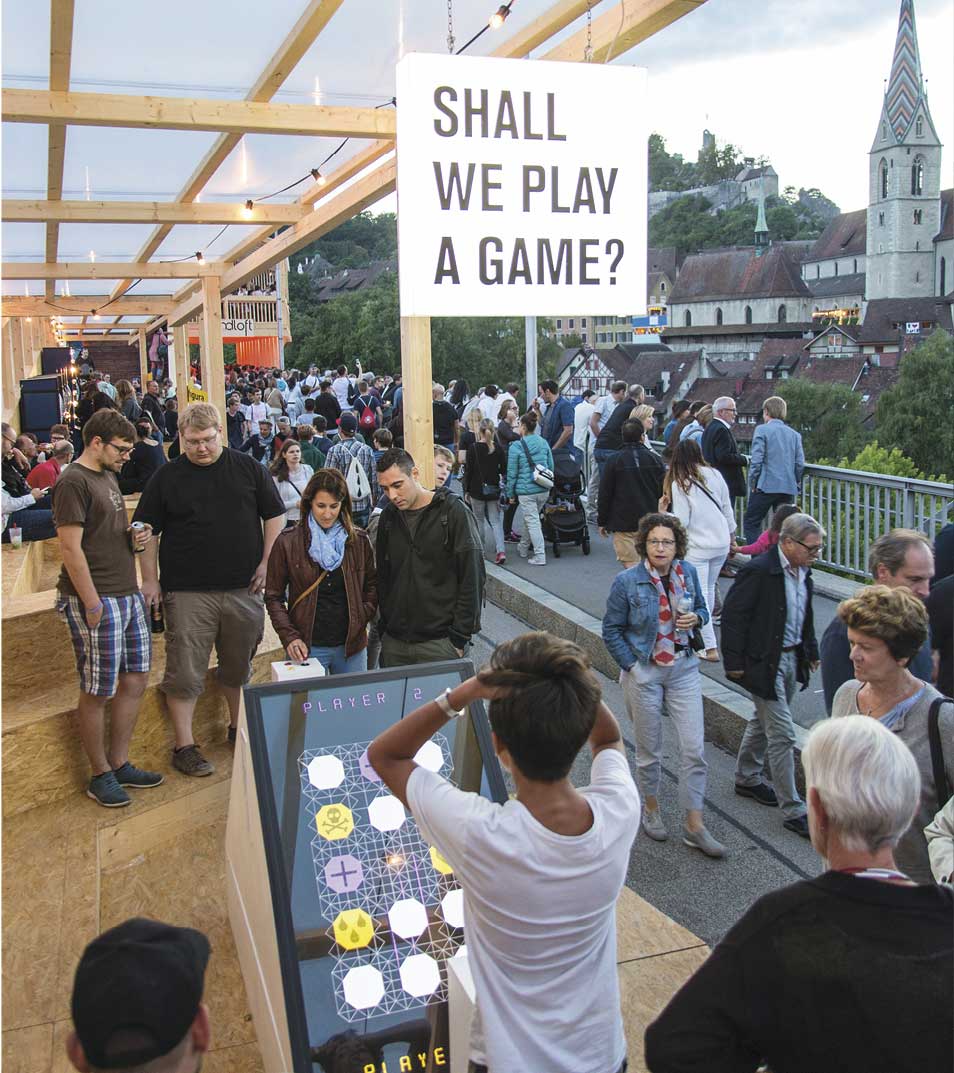
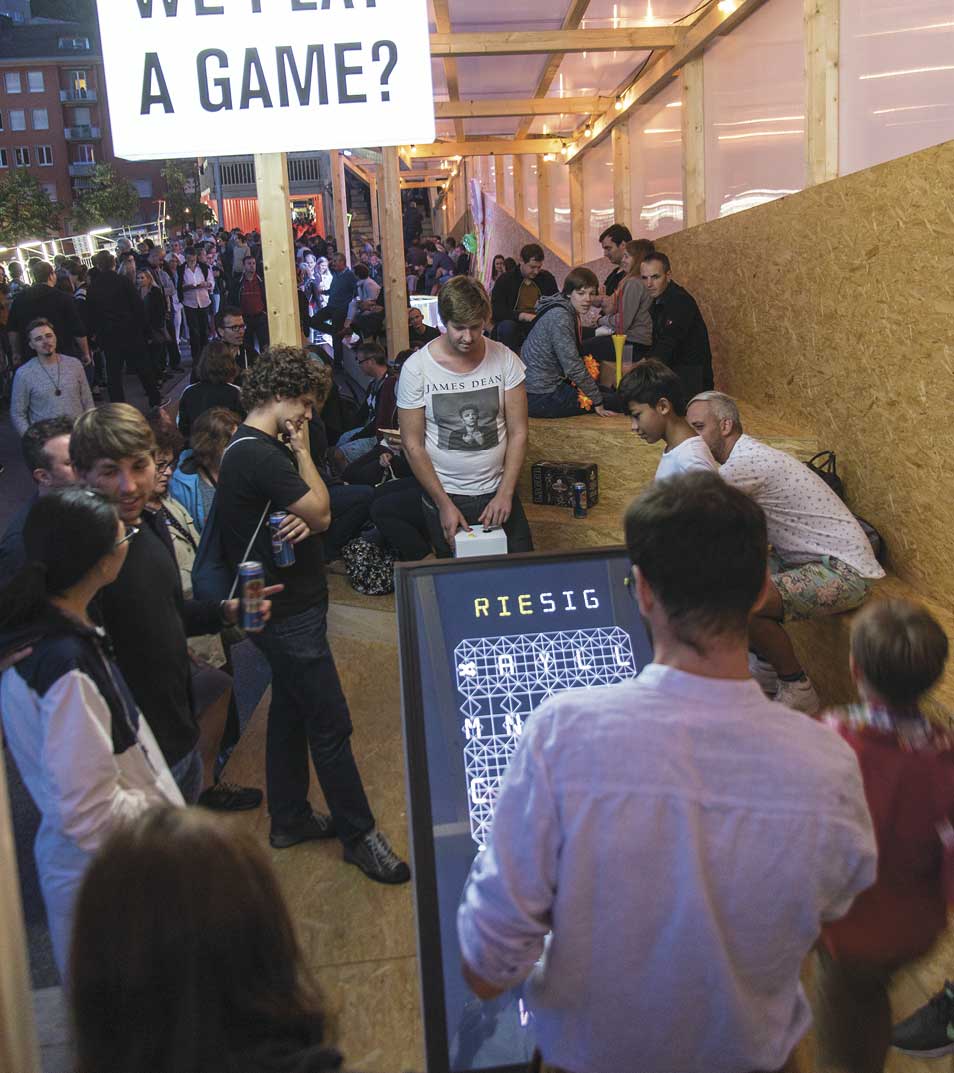
Exhibited at Badenfahrt, Baden, Switzerland, August - September 2017
3600 high power LEDs
14 km Cable
300m PVC-film
1.5 Tons
1800 × 400 × 60 cm
In collaboration with Matthias Gubler, Simon Schubiger, Filip Schramka, Cloé Hüsser, Tobias Baumgartner.
Supported by FHNW and BALTS.
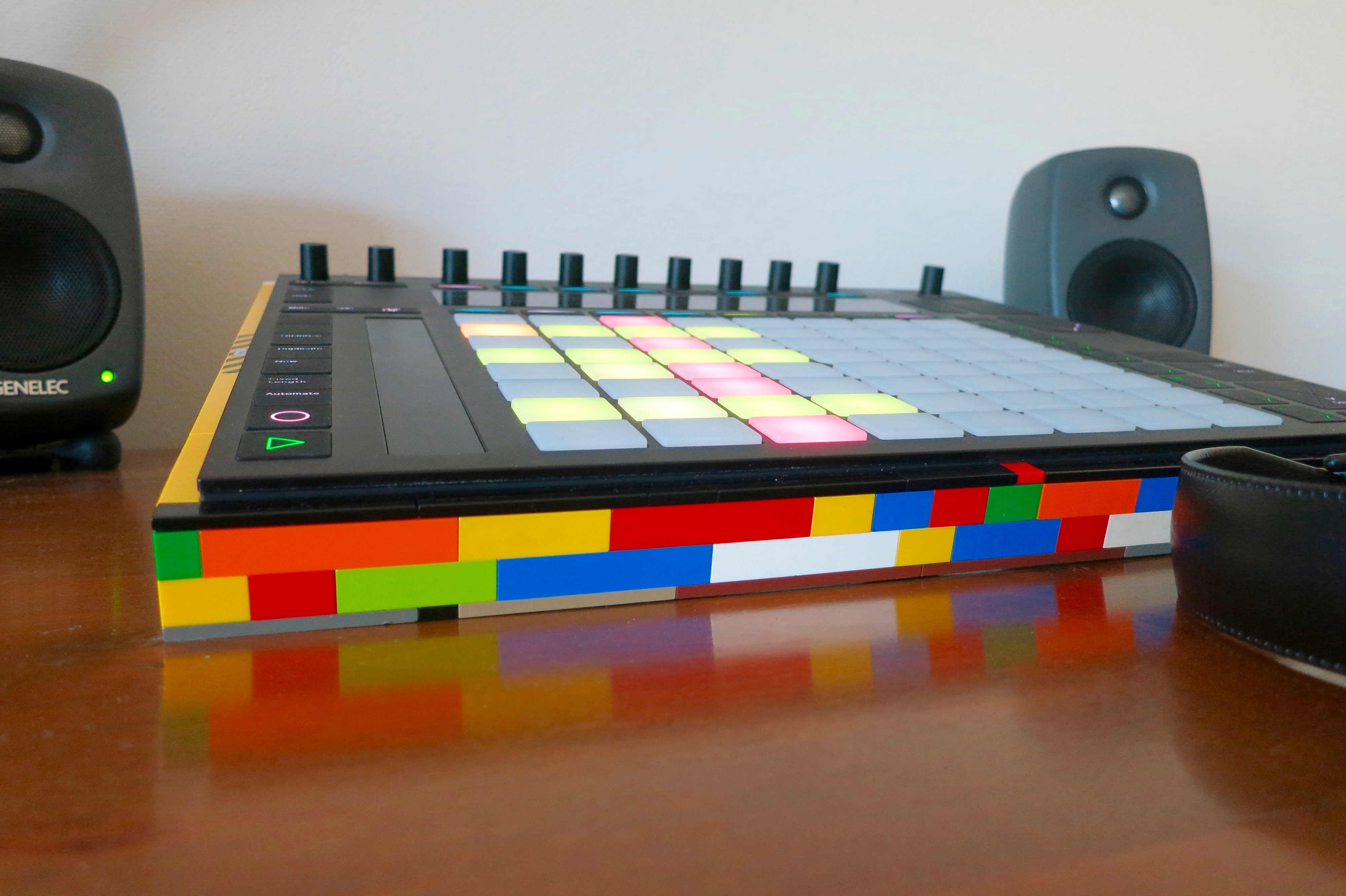
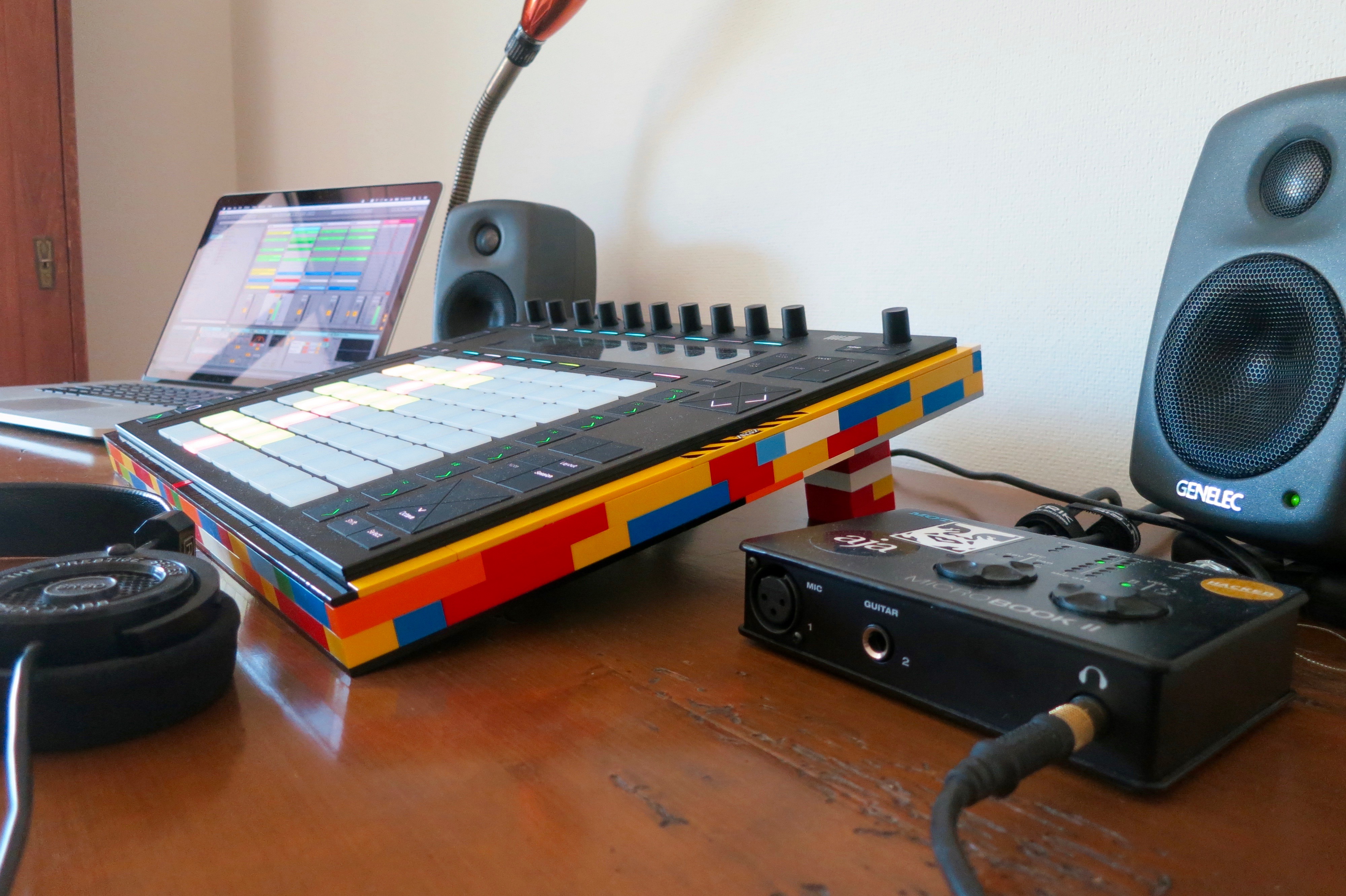
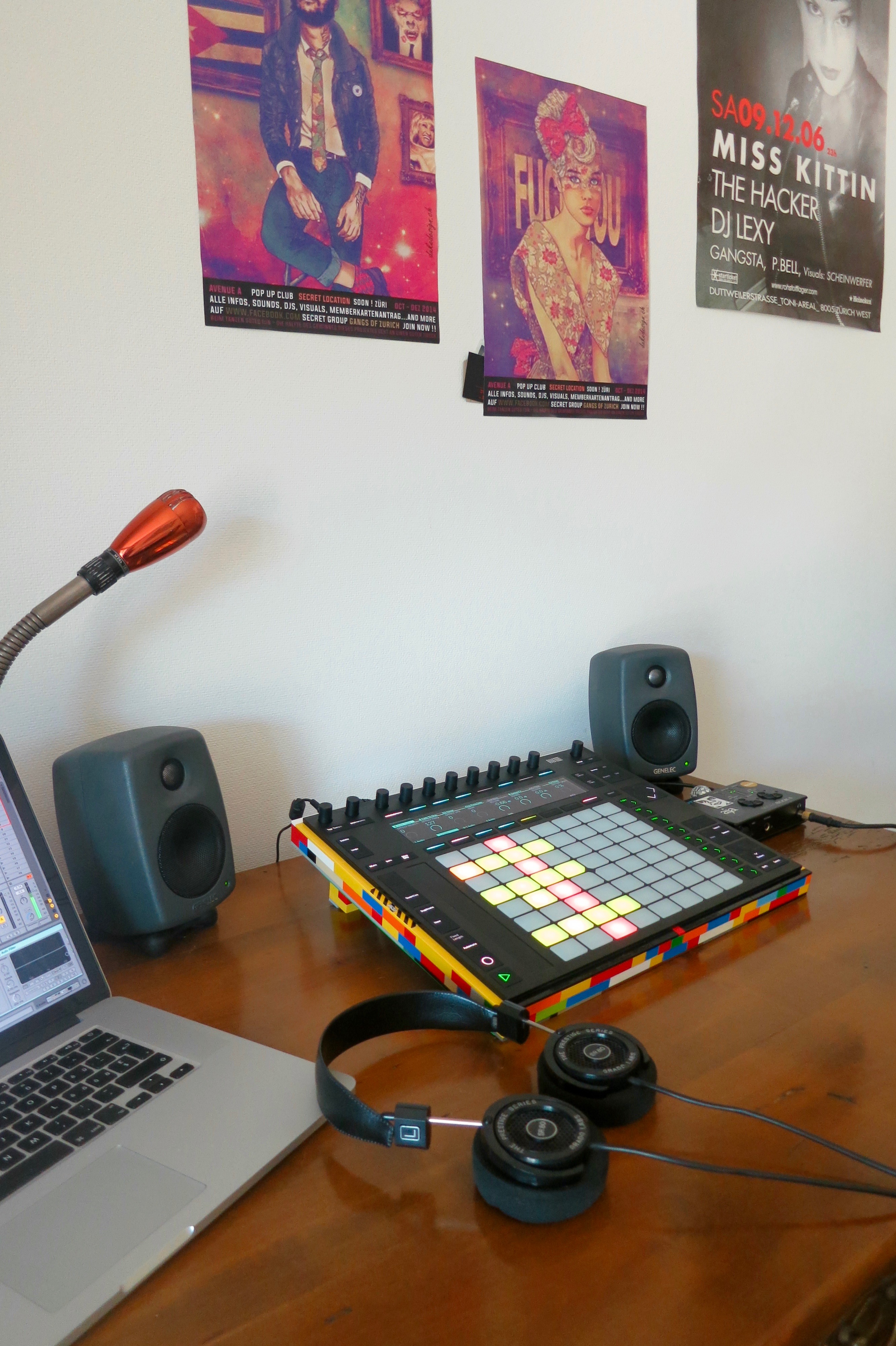
Lego Ableton Push Stand
Here’s a little fun my son Romeo and I had during school holidays: A Lego stand for Ableton push. Inspired by the awesome Lego DJ Booth recently posted here. Our brick collection’s a bit more limited tough.
Amazingly, the Push perfectly fits into the Lego raster. Coincidence, Ableton engineers / designers?
Next step, make it height adjustable, etc. - and - use it!
Enabling DEMO:POLIS
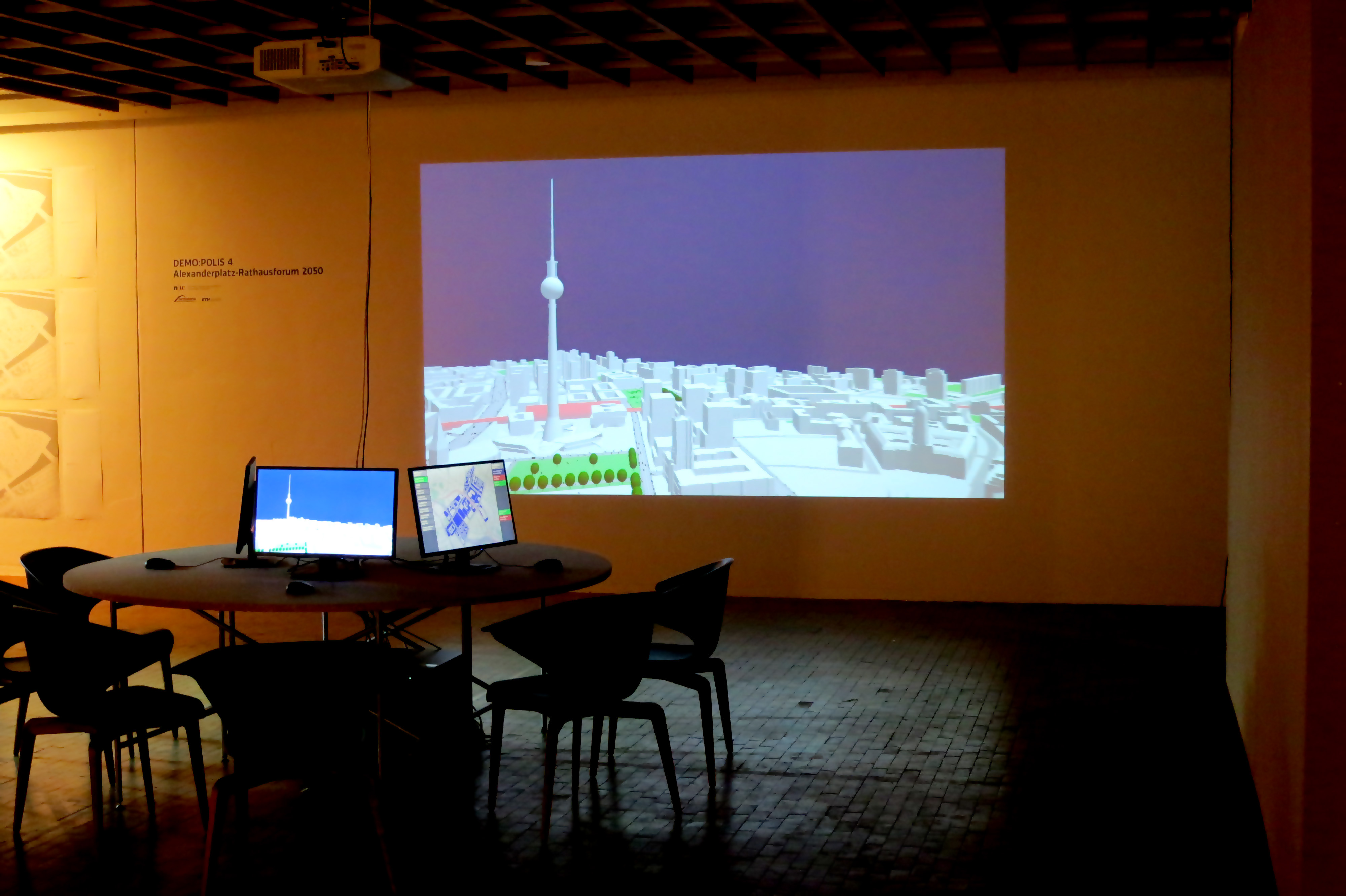
“Enabling DEMO:POLIS” is a participatory urban planning installation, presented as part of the DEMO:POLIS exhibition at the Berlin Akademie der Künste (https://www.adk.de/demopolis - 11.3.2016 - 29.5.2016). The installation engages the public in the design of open space and consists of six terminals that run a custom, interactive software application.
The software leads the user through a number of typical urban design tools (space allocation, streets, buildings, landscape, etc.) and concludes with a fly-through through the generated 3D scenario, in this case, the Rathausforum / Alexanderplatz area in Berlin.
The following video demonstrates a full cycle of a possible design.
Open Source
Source code, data and a binary build are available at: https://github.com/arisona
Credits
Concept: Stefan Arisona, Ruth Conroy Dalton, Christoph Hölscher, Wilfried Wang
Data & Coding: Stefan Arisona, Simon Schubiger, Zeng Wei
Support: Akademie der Künste Berlin, FHNW Switzerland (Institute of 4D Technologies), ETH Zürich (Future Cities Laboratory and Chair of Cognitive Science), Northumbria University (Architecture and Built Environment).
Data & Software Workflow
Enabling DEMO:POLIS builds on Open Data, in particular the publicly available 3D models of central Berlin provided by the Staatssenat für Stadtentwicklung und Umwelt (https://www.stadtentwicklung.berlin.de/planen/stadtmodelle/))
The original 3D models were initially imported into Autodesk AutoCAD for layer selection and coordinate system adjustments, then imported into Autodesk Maya for data cleaning and corrections. In a final step the data was imported into Esri CityEngine for final data adjustments & cleaning, merging, labelling, etc. The data was then exported as OBJs. The software application is written in Java, based on the 3D graphics library/engine ether. As indicated above, all source code and data is available as open source.